
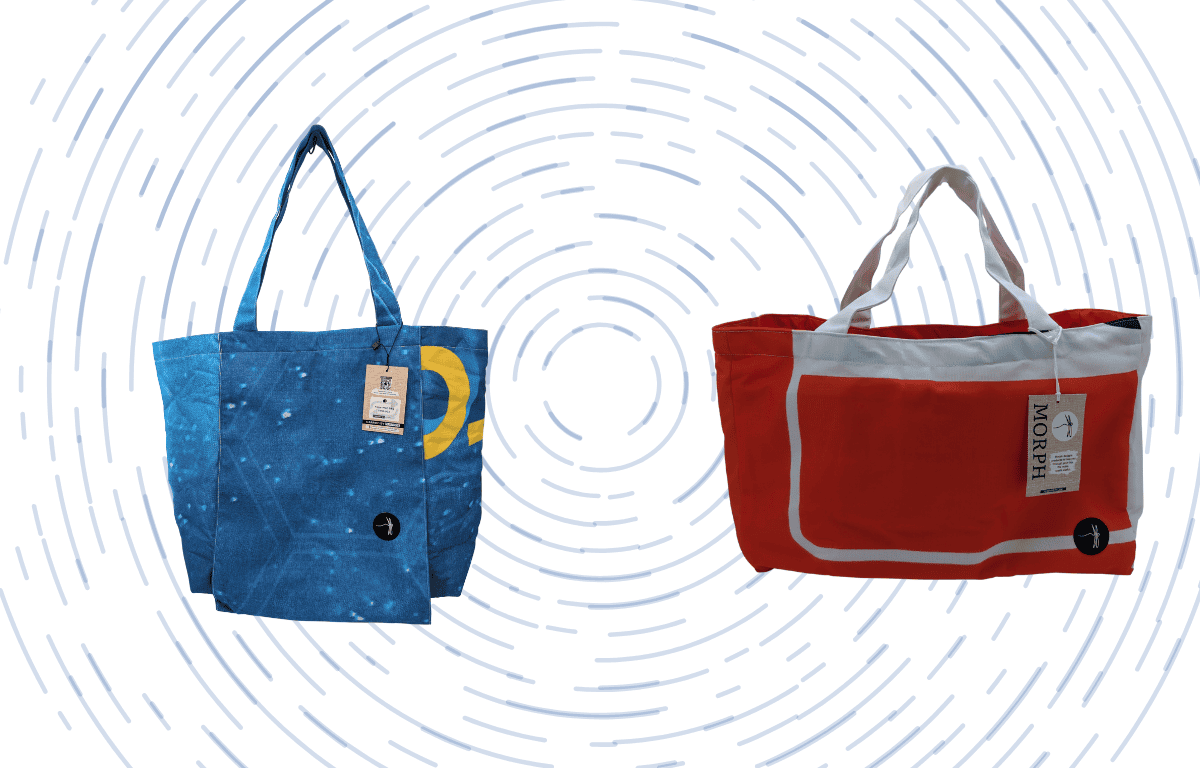
Waste is our Resource
Why we do what we do
Others use raw materials taken from natural resources.
Morph looks in the bin.
Our philosophy around resources is simple: if it’s capable of being useful, then discarding it wipes out that potential. The resource isn’t waste, but it gets wasted. We work to help close the gap between the unrealized potential in resources that become waste.
Many upcycling firms focus on a limited variety of resources, choosing to focus on quality and developing reliable access. We greatly respect those firms for the direct impact they make with their products, and the greater returns that come from helping people see things differently. We take a different approach, aiming to work with an array of resources that offers different possibilities. This means our material list is always evolving, as we develop possibilities with new resources and the availability of others dries up. From a business perspective, our approach is obviously more complicated and thus challenging, but its
Every Product Starts with a Conversation
Behind every Morph product is a network of people that includes manufacturers, business owners, community organizers, academics, and others who helped us uncover opportunities to transform waste into something useful.
We continually search for and test new resources, but our knowledge of existing waste sources is naturally limited. We can make basic assumptions about the waste an organization generates, but exactly what kinds, where, in what volumes, and in what condition are likely a mystery for most of us. Given that, we often need help identifying opportunities. Fortunately, every community is filled with people who are aware of waste sources. Those people can be the bridge between an interesting idea and an upcycling opportunity. They also can introduce us to possibilities we never would have considered otherwise.
Not every conversation leads to a product or even a test. The material doesn’t always work as we hope or there isn’t enough volume, and our capacity can be a factor. Regardless, we give serious consideration to every opportunity we’re introduced to, and try to find ways to make everything useful. As we like to say, “Waste is just a resource out of place.”
When things don’t work out in the short run, we keep the resource in mind as we look for additional possibilities. Sometimes it’s just a matter of finding the right circumstances to make it all work.
The people who share these opportunities with us aren’t just suppliers. They’re collaborators who help us pursue our purpose. Some do work with the organizations we get resources from, others introduce us to possibilities with partners of theirs, and some are just concerned citizens looking to help improve resource use. In short, we never know where the next opportunity will come from, but we’re always excited to learn about them.
Know of a material stream we should explore?
If you work with, manage, or know of a source of waste materials that might be a fit, we’d love to hear from you. Some of our best partnerships started with a simple introduction.
Our Current Resources
These are the materials we’re currently keeping out of landfills to use in Morph products.
Printed Polyester Banner Offcuts
Source: A banner manufacturer whose production process generates significant quantities of printed polyester offcuts. Their vibrant, durable fabric would otherwise go to landfill. Instead, it provides an excellent resource that’s used in the bulk of our current offerings.
What it becomes: Market Bags, Yoga Mat Bags, Totes, Cosmetic Bags, and Essentials Pouches. The bold prints that were once part of someone else’s message become the defining visual character of our most recognizable products.
Why it works: Printed polyester is lightweight, water-resistant, and built to last. It’s exactly what you want in a bag you’ll carry every day.
Thai Silk Remnants
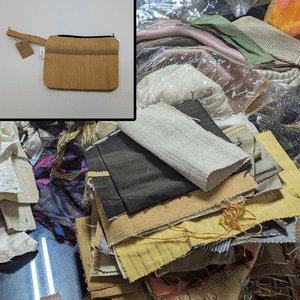
Source: A bag manufacturer in Bangkok whose production process leaves behind high-quality silk remnants — too small for their purposes, but more than enough for ours.
What it becomes: Handmade coin purses and small pouches, sewn in double-layer for lasting strength with YKK zippers.
Why it works: Thai silk is exceptionally fine and durable. The remnants we use are the same quality as the material that made it into the manufacturer’s finished products — they just didn’t make the cut due to size, not quality.
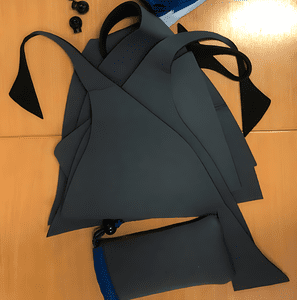
Neoprene Offcuts from Diving Suit Manufacturing
Source: A diving suit manufacturer whose cutting process generates neoprene offcuts. It’s the same high-performance material that protects divers in cold water.
What it becomes: Sunglass cases. A material built to protect people underwater now protects your lenses.
Why it works: Neoprene is soft, shock-absorbent, and resilient. It’s ideal for protecting delicate items. It’s also a material most people would never think to source for accessories, which is exactly what makes it interesting.
Retired Fire Hoses from Local Fire Departments
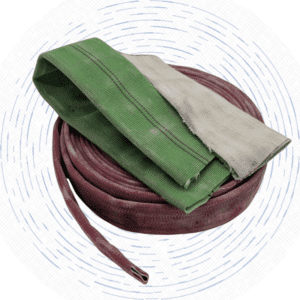
Heavy-duty, built for extreme conditions, and decommissioned in large quantities by fire departments. We’re exploring what a fire hose becomes when it’s retired from service but still has plenty of useful life left.
Retired Fire Hoses from Local Fire Departments
Heavy-duty, built for extreme conditions, and decommissioned in large quantities by fire departments. We’re exploring what a fire hose becomes when it’s retired from service but still has plenty of useful life left.
Currently Testing & Prototyping
Our material list is never finished. These are the materials we’re currently experimenting with. Some of these are close to becoming products, others are still in early exploration.
Burlap Sacks from Local Coffee Roasters
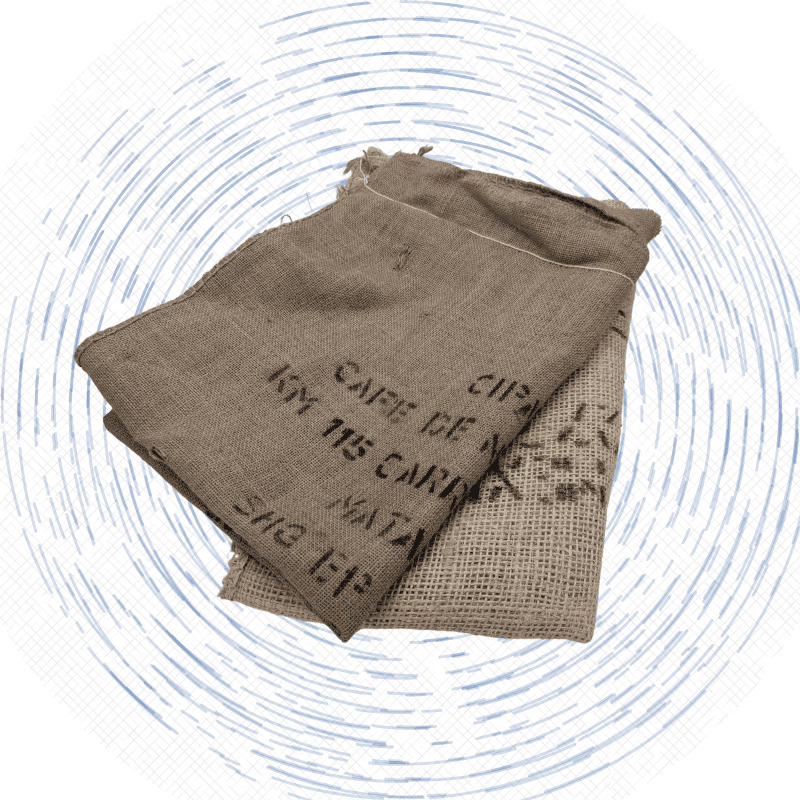
Local roasters go through loads of large burlap bags that arrive full of green coffee beans. Once emptied, they’re passed along to our colleagues at Remains LLC, a longtime circular economy pillar in St. Louis. They provided us with samples and we’re prototyping with them now. We’re still in the early stages, but we’re excited by the possibilities offered by its distinctive, earthy texture.
Vinyl Billboards and Signage
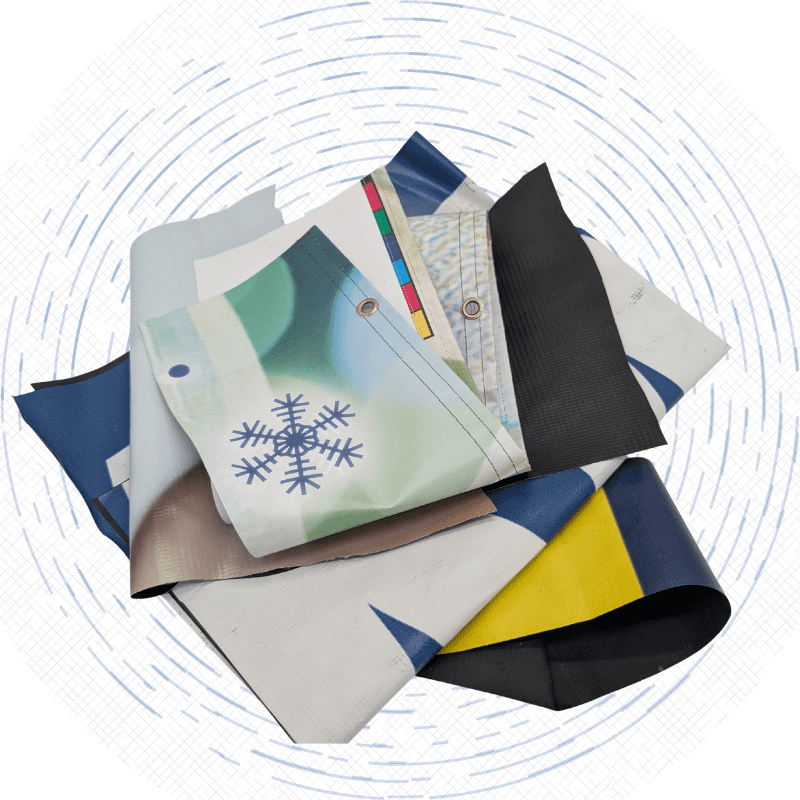
Billboards come down regularly, leaving behind large sheets of durable, weatherproof vinyl. We’re working through what that scale of material can become in a Morph context — the challenge and the opportunity are both significant.
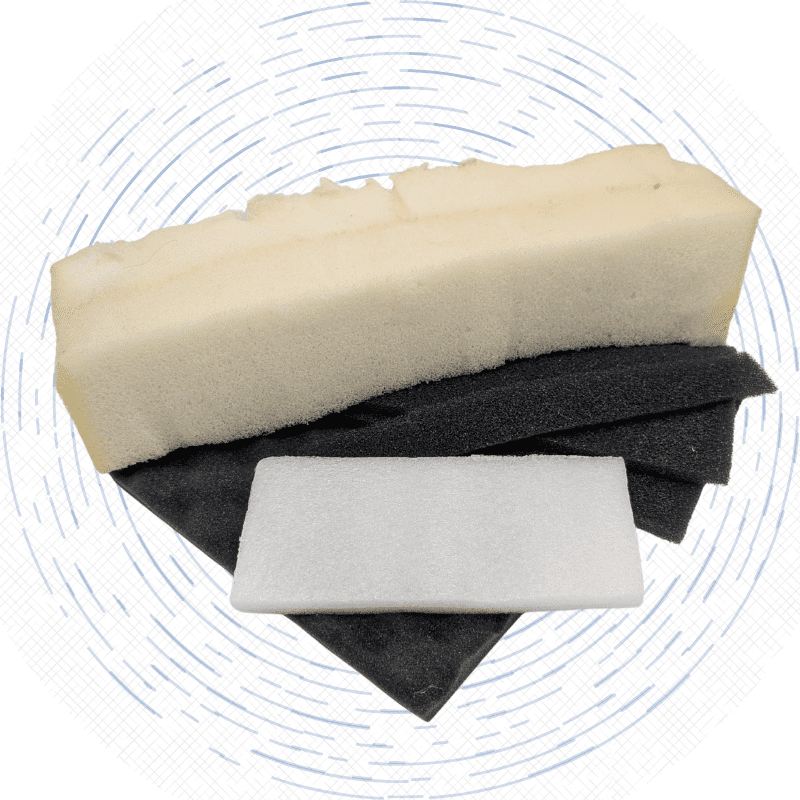
Foam Offcuts from Industrial Manufacturing
We’re exploring foam offcuts as a material source for protective inserts, padding, and structured bags. Foam is widely generated as industrial waste and rarely recaptured at the consumer product level.
Have a lead on any of these materials locally, or know of another material stream worth exploring? We’d love to hear from you.
