Systems Thinking & Circular Economy Ideas
Foundational Concepts
Below are a few of the primary systems thinking and circular economy ideas that Chris teaches. They underpin all of our work at Morph, as well as the broader change we advocate for.
Rethinking Resource Use
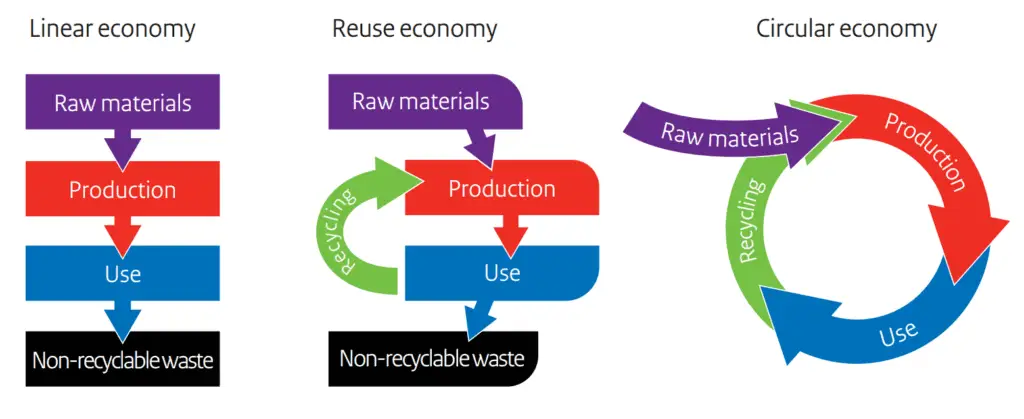
Most products today follow a linear path. Resources are extracted, made into things, used, and discard. We believe a better system is possible. Morph Bags is part of a broader effort to rethink how materials move through our economy. By recovering overlooked materials and designing products for longevity, we work to show what a more circular approach to resources looks like in practice while encouraging others to do the same.
The Cynefin Framework
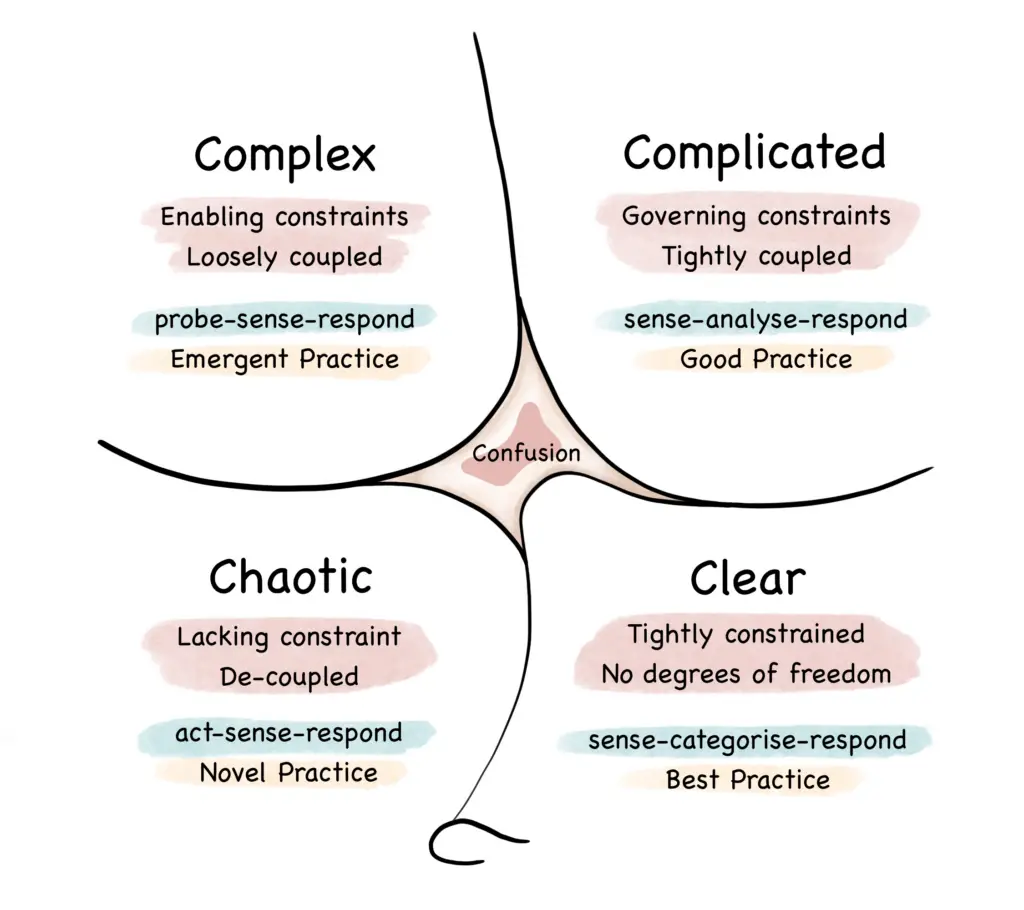
Dave Snowden’s Cynefin Framework is a sensemaking tool that helps you think about the type of problem you are facing, as well as how to address it. Rather than using a one size fits all approach, it helps you determine the kind of problem you are facing. Understanding that helps you determine the approach to take, as well as the outcomes that might be attainable.
The Iceberg Model
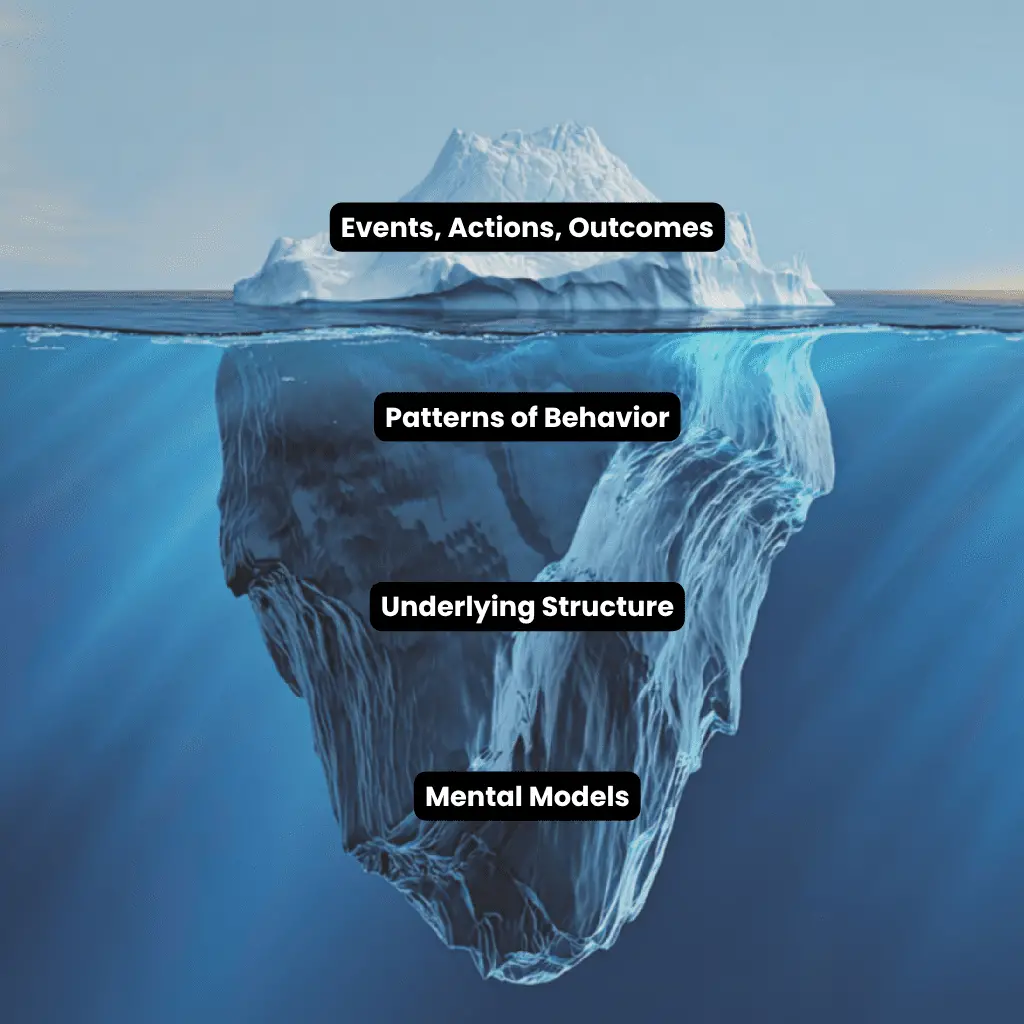
The Iceberg Model shows how the outcomes we see are shaped by forces beneath the surface. Waste is the visible outcome, but it’s generated by structures and incentives within our economic systems. These are in turn shaped by our mental models about consumption and the value of materials. If we want different outcomes, we need to rethink those assumptions.
The Doughnut Economics Model
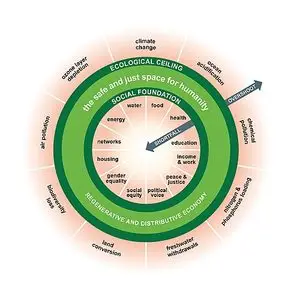
Economist Kate Raworth’s Doughnut Economics model offers a compelling vision for what a just, thriving economy. An economy that meets the needs of all people while staying within the means of our planet. The model defines a social foundation no one should fall below, and an ecological ceiling we shouldn’t exceed. Between those boundaries is space where we can all flourish in a regenerative and distributive economy.
Morph Bags works to operate within this framework by keeping materials in circulation, supporting dignified livelihoods, and demonstrating how a business with purpose can work within planetary boundaries rather than against them.
Learn more: Doughnut Economics Action Lab
The Butterfly And The Dragonfly
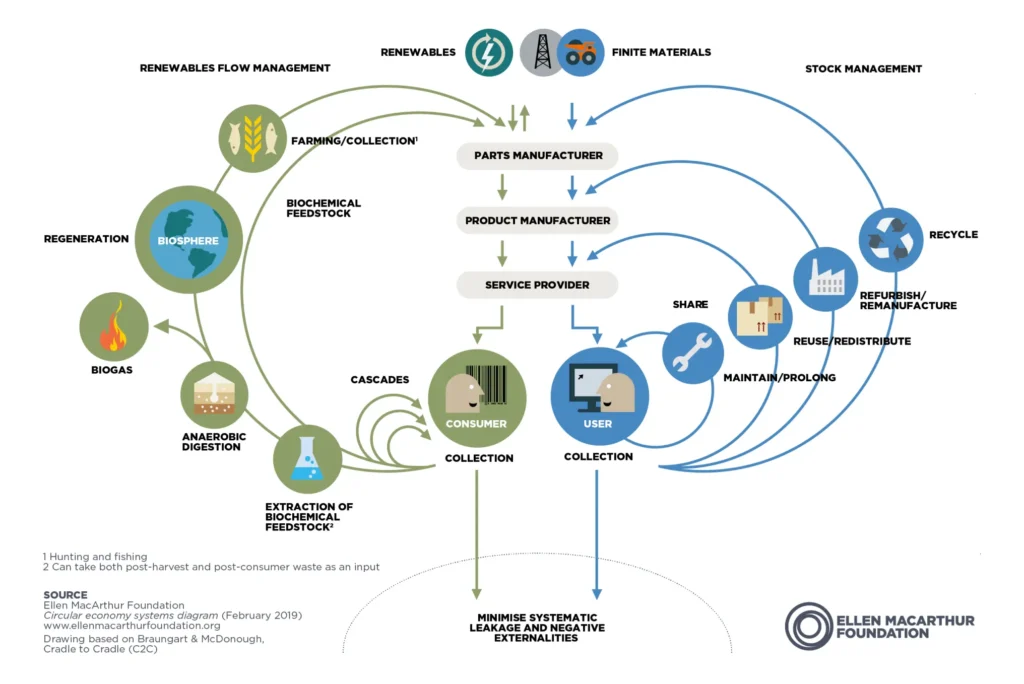
The Ellen MacArthur Foundation’s Butterfly Diagram illustrates how resources can cycle in the circular economy. The diagram displays biological and technical cycles to help us think about ways different types of resources can be used.
Our logo features a dragonfly, a symbol of change, adaptability, and transformation in nature. Dragonflies undergo one of nature’s remarkable transitions. Their journey reflects the kind we want to see as materials move through our economy. The dragonfly also reminds us that nature already operates in cycles where resources are continually reused and renewed.